前苏联电影《我漫步在莫斯科》影评
1,893字
8–12 分钟
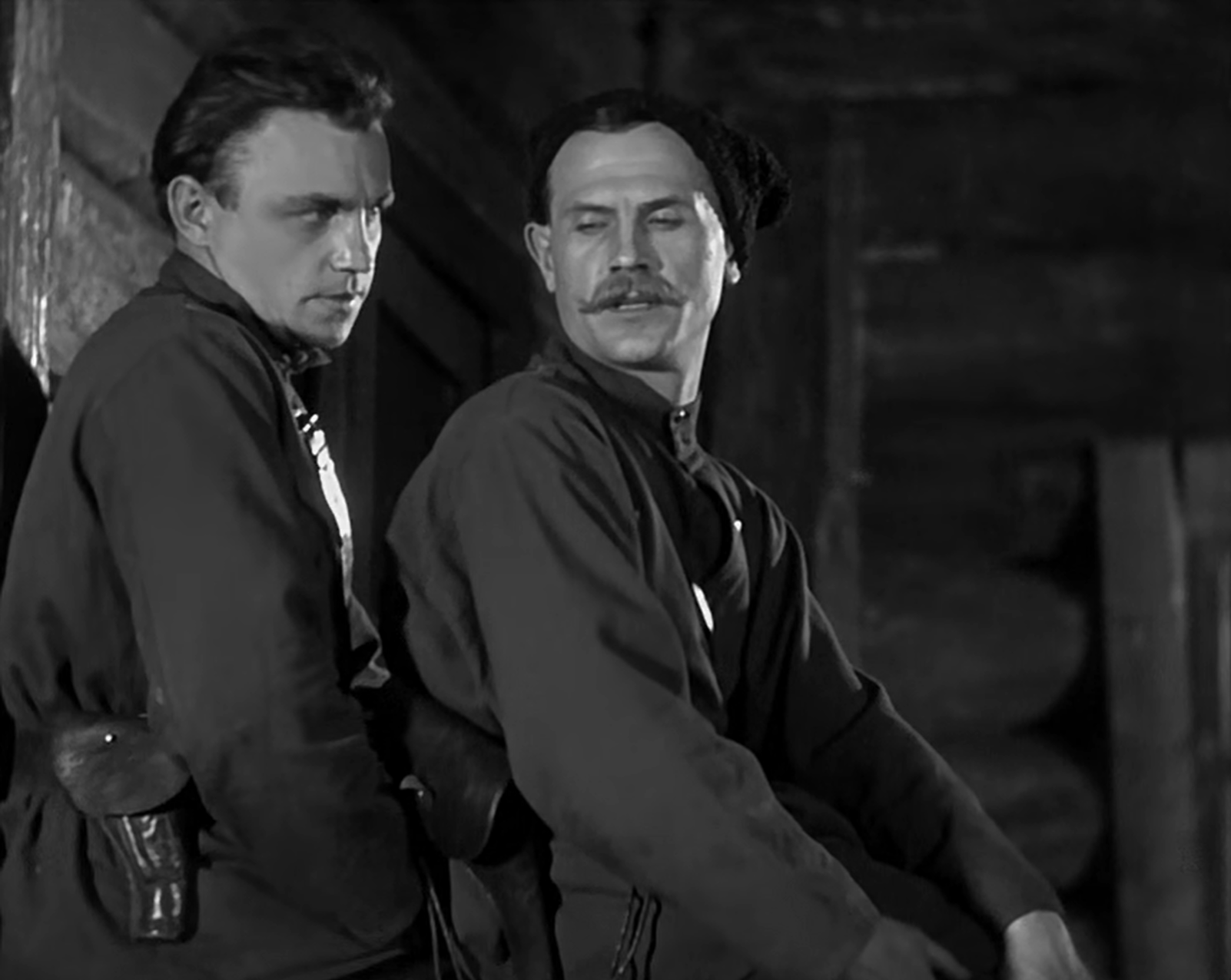
Walking the Streets of Moscow, a landmark film of the Soviet Khrushchev era, paints a lively, humanized portrait of the new Soviet young generation and lays out the filmmakers’ vision of a warm, progressive, and people-centered Soviet society. The story follows Kolya, a young Moscow worker, and Volodia, a newcomer from Siberia, as they wander Moscow’s streets, meet ordinary citizens, and experience the city’s fast-changing landscape.
The new Soviet generation is far from previous rigid ideological stereotypes during Stalin times. The main characters are highly educated working-class, they are well-dressed, and deeply interested in music and poetry; they do not drink heavily and live earnest and decent lives. This choice frames young Soviets as cultured, responsible, and moral. A key detail is the contrast between Kolya’s modest apartment and a famous writer’s luxury home, which stresses the dignity of ordinary youth rather than elite privilege. Volodia’s arrival from Siberia – a tough but fast-developing region with new industrial construction – binds the younger generation to national modernization and cross-regional unity.
The film also weaves in real social rules: the military draft for 18-year-old men is mentioned gently, treating service as a quiet civic duty rather than a source of fear. The sharp contrast between old Moscow and modern glass-clad new buildings highlights the era’s construction boom, with young people as active builders of the city and country’s future. Scenes with foreigners in Moscow further signal a more open and inclusive society.
For the film’s young director and screenwriter, this generation embodies their ideal Soviet society: humanistic, optimistic, and focused on ordinary people’s well-being. Turning away from the solemn and rigid tone of Stalin-era films, they celebrate friendship, daily warmth, and cultural curiosity. Their vision is of a dynamic, evolving country where young people drive progress, live with integrity, and balance personal happiness with collective growth.
In brief, the film uses concrete and authentic details to redefine the new Soviet youth and to advocate for a kinder, more vibrant, and people-centered Soviet society.
© 版权声明
文章版权归作者所有,未经允许请勿转载。
相关文章



又是老片新吹,套路了。
我邻居是那个年代的人,说电影拍得很真实,他们那时就这样。
说假的别太武断,精神面貌不一样不代表是假的。
那时候的审查居然能通过这种拍法?赫鲁晓夫解冻时期特有产物吧。
里面那个西伯利亚来的主角挺有意思,代表一种新鲜血液。
这种温暖的人情味确实比那些说教片好看多了。
说实话,现在看这种片子会觉得有点假,但也许当时是真的。
感觉这电影里的苏联青年跟我印象中的完全不一样,有点好奇。
有人看过原著小说吗?听说和电影差别挺大的。
导演理想主义挺浓的,但后面历史证明这种浪漫没撑多久。
标题党啊,我还以为说的是现在俄罗斯的年轻人呢。
哈哈,不过写的确实是那个时代,可以看看。
我爷爷就是那个年代的人,他说那时候大家真想建设国家,不是装的。
求问:这片子里那个作家豪宅的镜头是实景还是布景?感觉好奢华。
这种电影放现在估计要被说成宣传片,但拍得确实有温度。
那个年代的年轻人确实精神面貌不一样,现在躺平党太多了😅
现在的俄罗斯年轻人还这样吗?有没有人了解?
导演太会拍了,那种温暖感隔着屏幕都能感受到!
还行,有空看看。
看不懂影评,但标题里的“新苏联青年”让我好奇了。
又是那种“别人家的年轻人”,我们这代又被比下去了。😂
确实,每个时代都有自己的苦和甜,不用太妄自菲薄。
我爸说过那个年代,年轻人虽然物质不丰富,但精神头特别好,有理想。
说得那么好,苏联后来不还是解体了?理想主义能当饭吃吗?😅
这片子网上有资源吗?想看看那时候的苏联年轻人啥样。
新老建筑对比那段挺有深意,象征社会变迁,导演细节处理到位。
那个年代的理想主义确实难得,现在的人很难体会到。
感觉导演挺温柔的,连征兵都拍得那么自然,不强行煽情。
对,拍得特别克制,不像某些战争片非要把你弄哭。
年轻人就该这样,积极又体面,比现在某些电影强多了。
苏联青年形象挺颠覆的
确实和想象中不一样
苏联青年还挺文艺范的
年轻人不酗酒这点挺难得
是啊,那时候风气真好
外国人的镜头有点意思
那段确实有点意思
新大楼和老街的对比挺有意思
普通人日子挺滋润,氛围挺轻松
这种日常感最打动人了
西伯利亚小伙子那条线有意思
没想到当时的工人也这么文艺,反差挺大的
征兵那段挺真实,不刻意
同感,拍得很自然。
当兵那段处理得挺自然的
老建筑和新大楼的对比拍得挺有感觉
赫鲁晓夫时代的滤镜吧,看着挺美好的
这片子氛围挺轻松的,不像印象里的苏联电影
年轻人穿得体面,活得有劲儿
西伯利亚小伙子的加入让故事更有意思了
义务兵役提得很自然,不刻意
对,一点也不生硬
年轻工人也懂诗歌,挺有文化的
公寓和豪宅的对比真写实
那段对比看着真挺扎心
莫斯科街头的自在感真让人向往
那个年代的年轻人活得挺有尊严的
是啊,朴素但体面
这片子有种那个年代特有的理想主义味道,挺打动人的。
没错,那种希望的感觉现在很少看到了。